
Blog
Choosing a Panel PC or an Industrial Monitor?
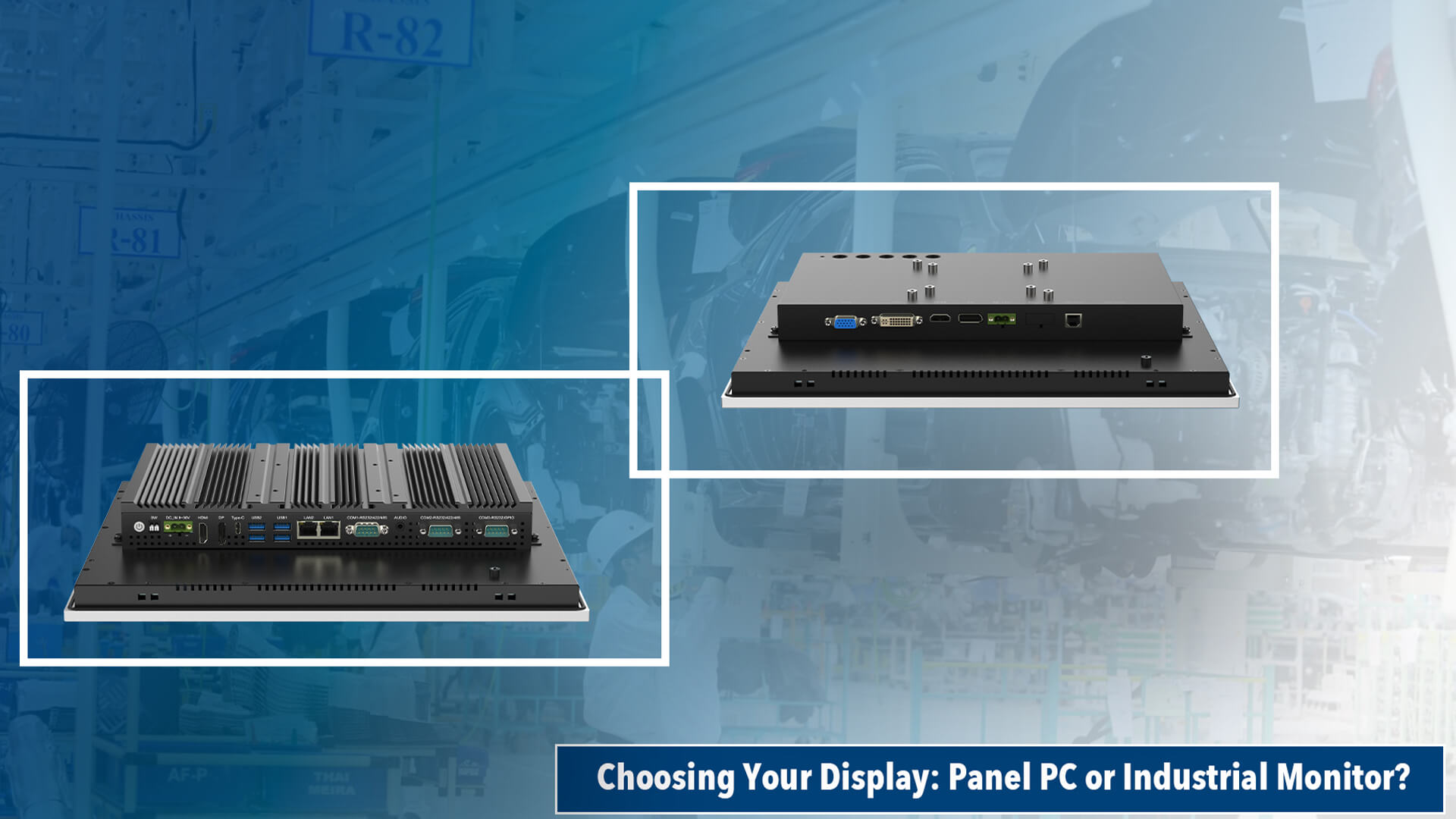
As we all know, industrial projects utilize numerous industrial display systems. Operators need to manage project plans and processes, and handle data processing rules for machines; conversely, machines need to summarize information and synchronize operating status with humans, enabling human-machine interaction procedure.
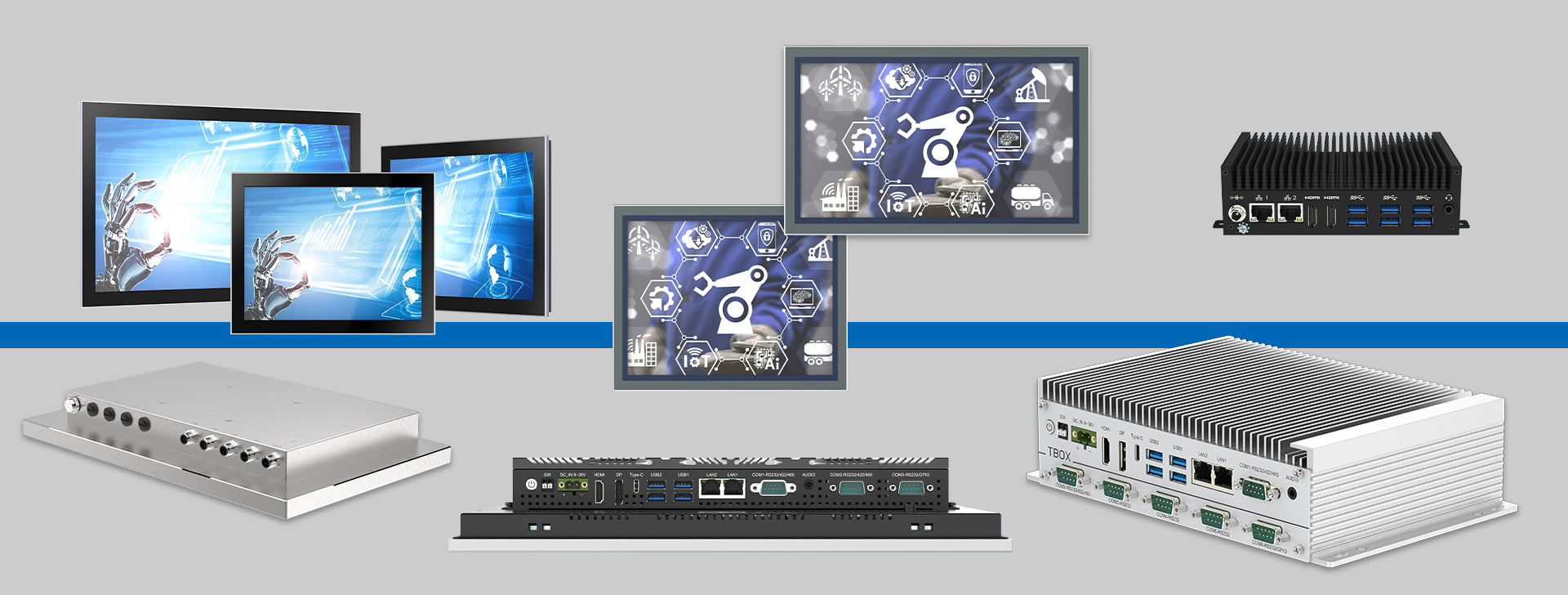
Generally, industrial display systems include industrial computing Panel PCs and industrial touchscreen monitors. They may appear similar, both feature robust metal housings and industrial touchscreens, but they are fundamentally different. Therefore, in new projects, you may need to choose between industrial Panel PCs and industrial monitors. An incorrect choice will lead to costly delays, inefficiencies, and system failures.
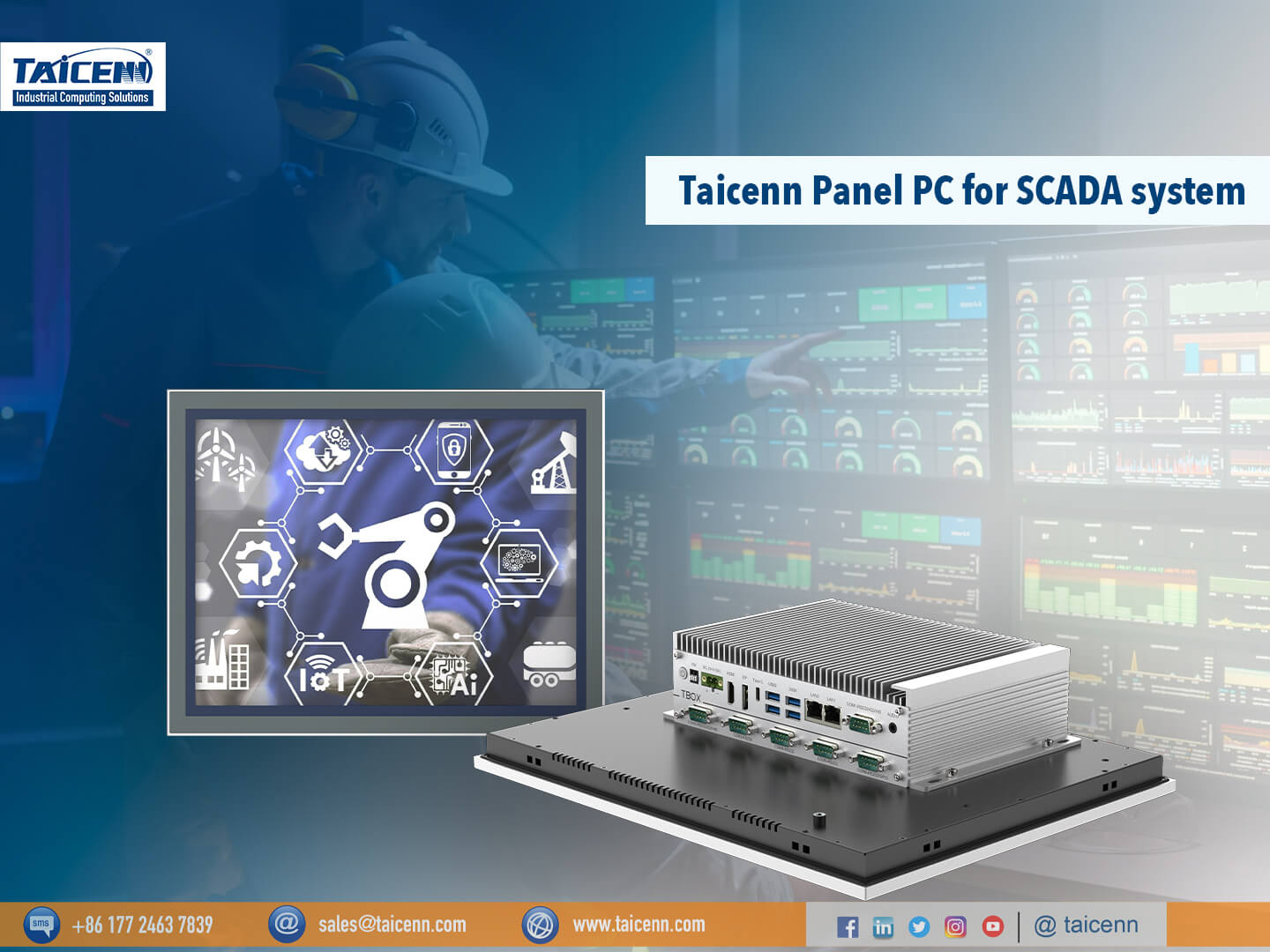
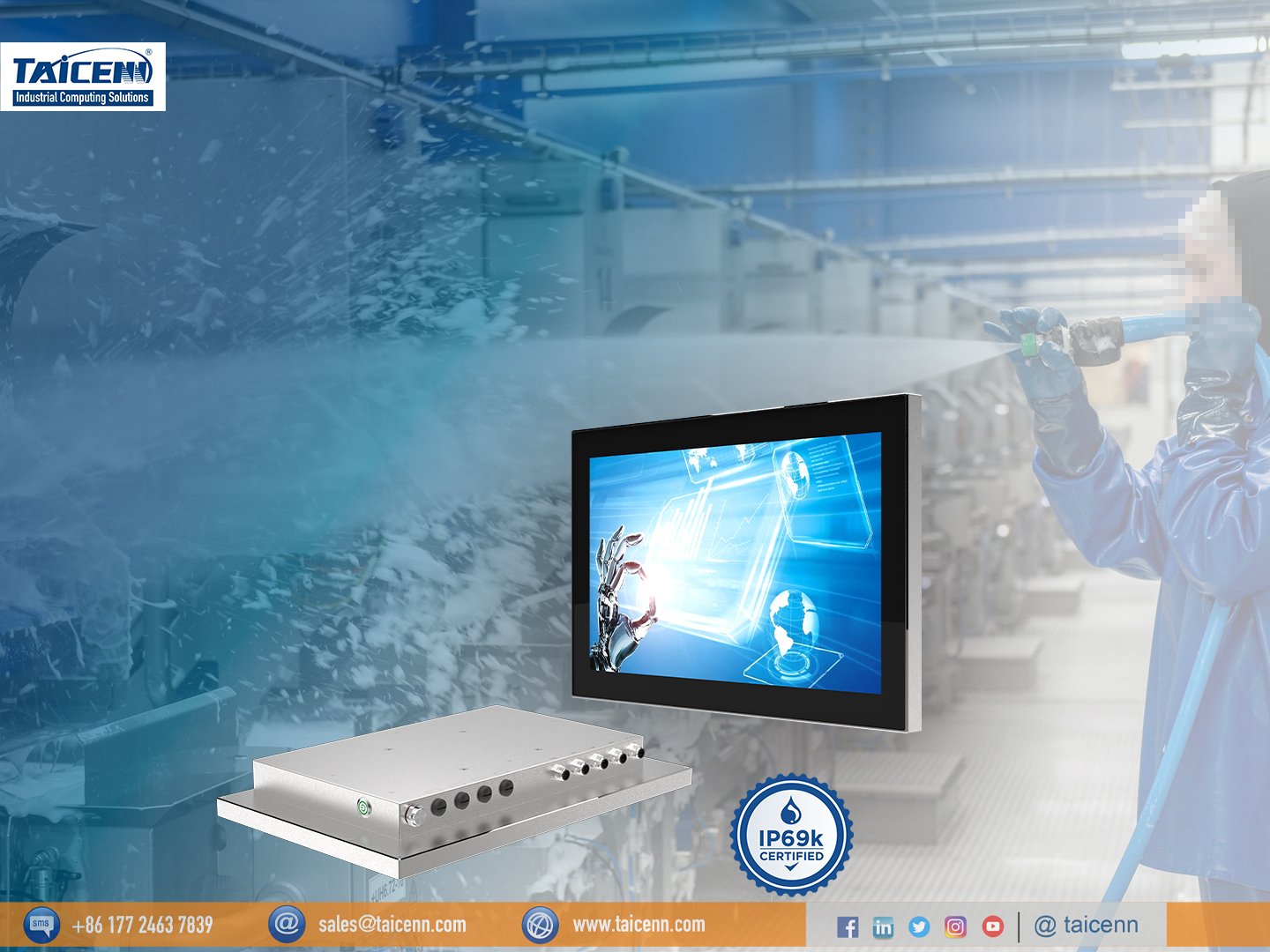
The simplest way to put this clear is panel PC is an all-in-one computing solution. It’s a computer and a display modules together with touchscreen integrated into a rugged compact unit and comes in different screen sizes from small 10” to big 23.8” in industrial settings. Think of it as a computer sealed into a industrial cabinet, with the keyboard and touchpad replaced by a full screen touchscreen. An industrial monitor, on the other hand, is just a rugged display monitor. It’s a screen built to withstand industrial environments but requires a separate host computer, either a box PC or a bigger computer or server, to function. This single difference dictates everything from cost and complexity to flexibility and maintenance.
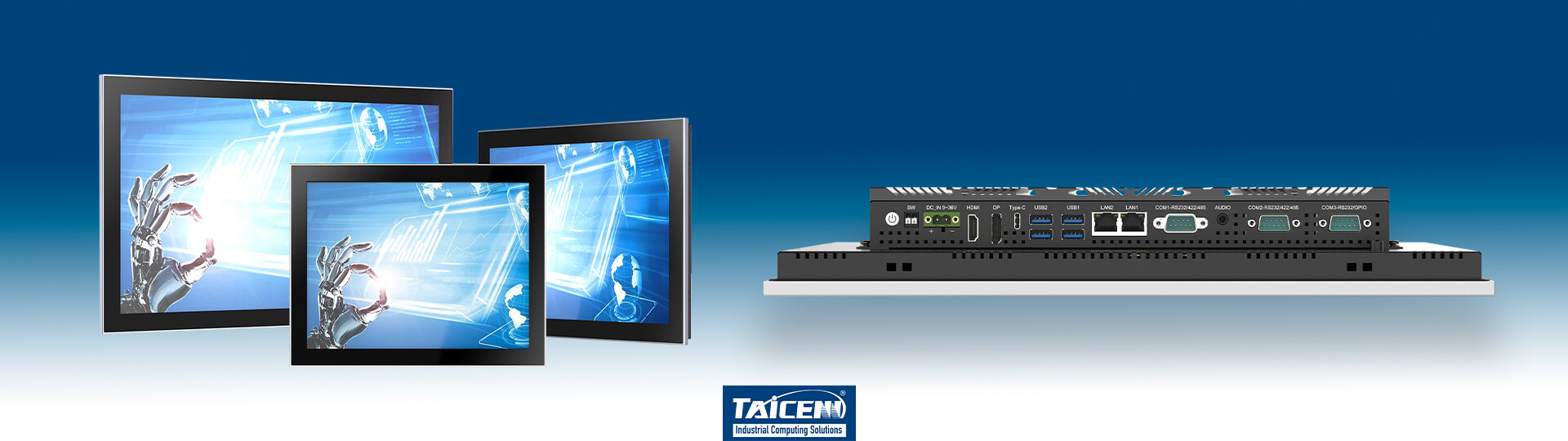
So, when does a Panel PC make the most sense? The answer lies in applications where space is limited and a all-in-one solution is needed. A Panel PC takes up minimal space on a equipment or a industrial cabinet. You don’t need to find a separate location for extra computer systems, extra cables between the two units, and multiple power supply units. The ease of installation is a major benefit. The all-in-one integration also reduces the potential failure ratio, fewer cables or connections, fewer things that will go failure.
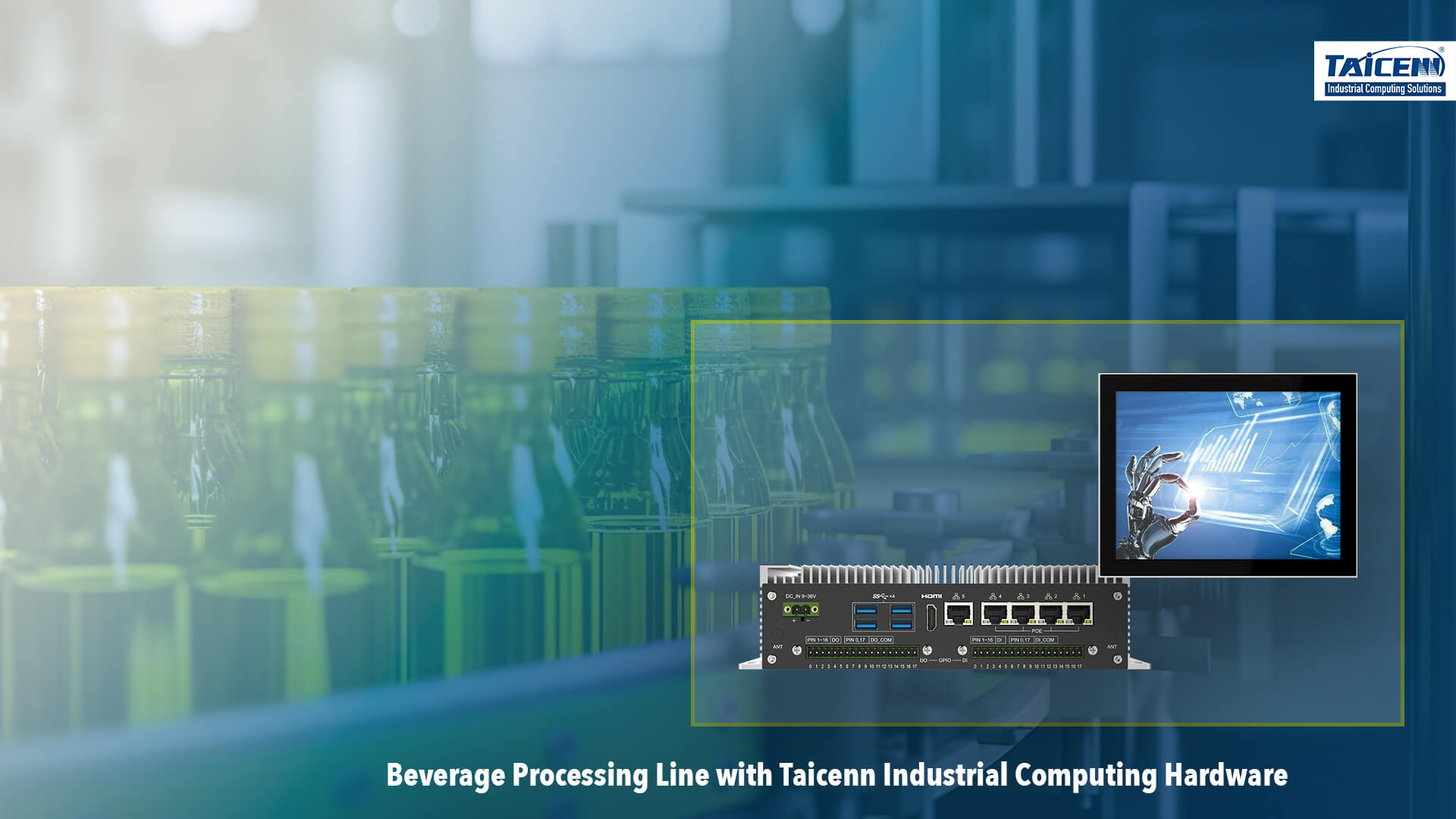
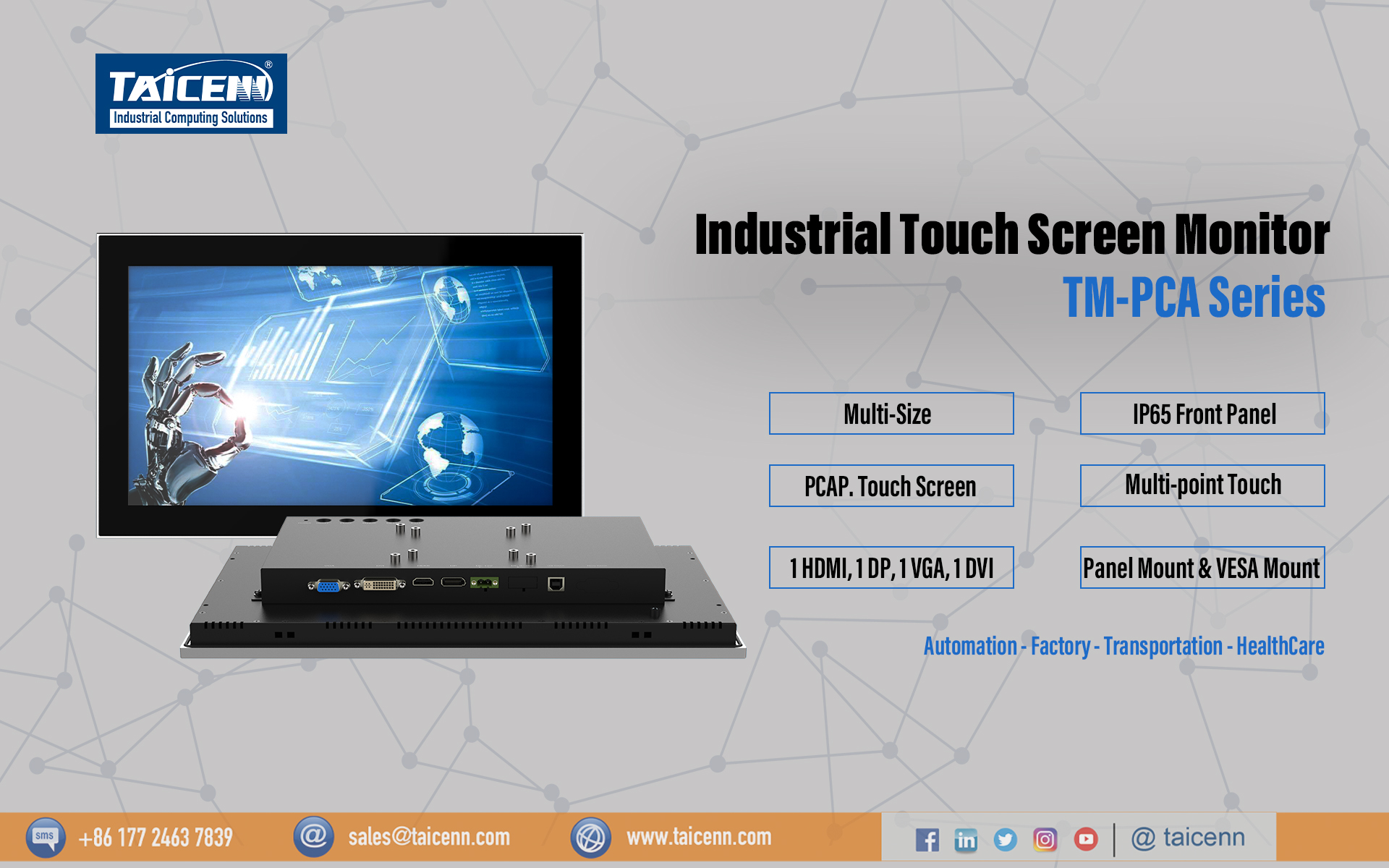
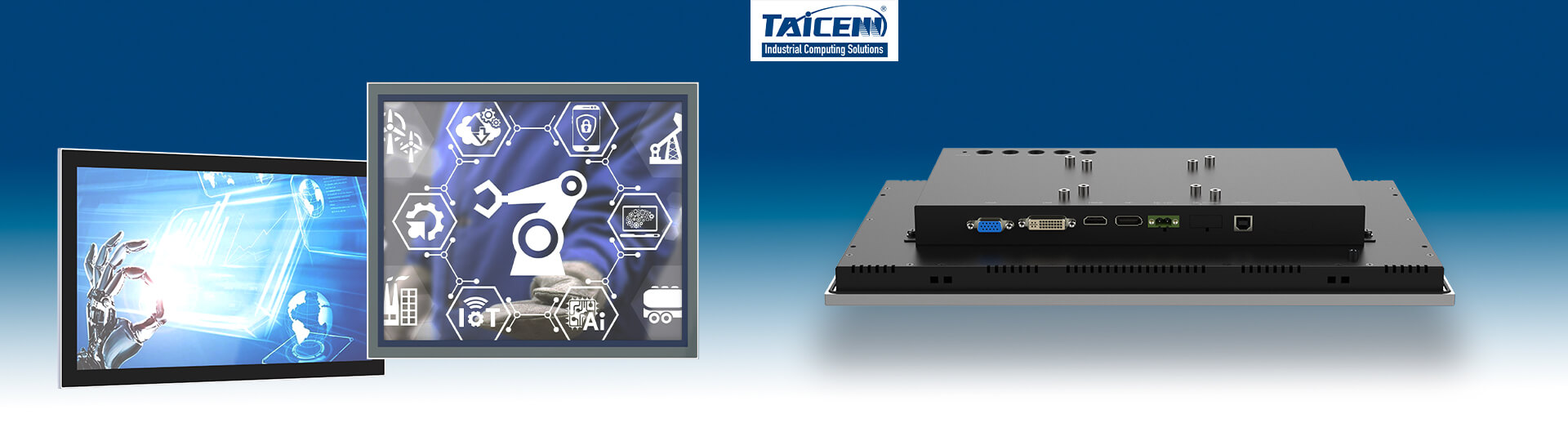
To the industrial monitor, the implement concept is totally different. One of its greatest advantage lies in its flexibility. Since the monitor is separate from the computer, you can place them wherever it should be. Maybe only the display needs to be right on the machine in industrial areas, but the computer parts can be in a clean, climate-controlled cabinet anyway. This setup allows you to protect the most important PC part from environmental hazards. Another advantage lies in its scalability. A single computer can drive multiple monitors, which is a very common requirement in control rooms or multistation manufacturing lines. If you need more powerful computing capacity, you can only simply upgrade the box PC without changes on the monitor. What’s more, If the monitor fails, you can change it only, no need to afford a whole system. This separate concept design provides cost-efficient solution and simplifies maintenance.
If we talk about its single unit cost point, a Panel PC might be more expensive than a industrial monitor. But if we talk about the total cost of ownership (TCO) point of the industrial projects, to buy two separate parts with an industrial monitor and a box PC will be more expensive than to buy an all-in-one panel PC. In addition, you also need to think of the cost of cables, power supply and even the labor to install and configure both units. So, a Panel PC system will have a better cost feature to save you time and money on installation and setup.
To sum it all up, the decision comes down to many points. If you need a compact, separate computing solution for a single operation station, then a Panel PC seems to be your best choice. If you need to run multiple displays from a single computer, then an industrial monitor can be a smarter choice. If you need to upgrade your computing system only while no need to change the display and touch options, then an industrial monitor can meet your choice better? When we make a best decision, we need to think of its longer future and potential upgrade procedures.